
Top Waterproofing Products for Effective Moisture Protection
Discover the leading waterproofing solutions designed to keep your property dry and protected from water damage.
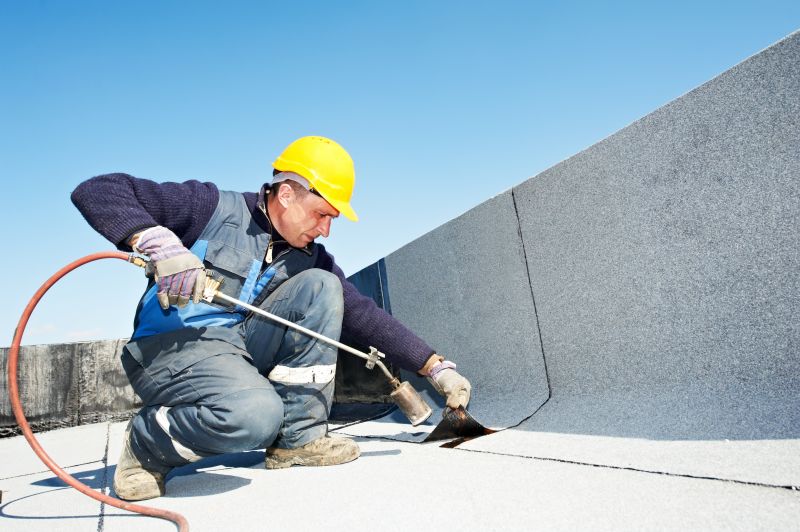 Waterproofing products are essential solutions for protecting structures, surfaces, and materials from water infiltration and damage. Whether addressing basement leaks, roof vulnerabilities, or foundation sealing, a variety of products are available to suit different needs and applications. Proper waterproofing not only helps prevent structural deterioration but also contributes to maintaining the integrity and longevity of buildings and surfaces.
Top Overall Option
Liquid Waterproof Sealant
A versatile liquid waterproof sealant is often regarded as an effective all-around solution for various surfaces. It can be applied to foundations, roofs, and concrete surfaces to create a seamless, water-resistant barrier. Its ease of application and adaptability make it a popular choice for both DIY projects and professional work. When selecting a liquid sealant, consider its durability, flexibility, and compatibility with different materials to ensure long-lasting protection.
Types of Products For Waterproofings
Bituminous Membranes
Self-adhesive or torch-applied membranes suitable for roofing and foundation waterproofing, providing durable barriers against water ingress.
Liquid Rubber Coatings
Flexible coatings that can be brushed or sprayed onto surfaces, ideal for sealing roofs, decks, and basements.
Polyurethane Sealants
High-performance sealants used to fill gaps and cracks, offering excellent adhesion and water resistance.
Cementitious Waterproofing
Waterproof coatings that are easy to apply on concrete and masonry surfaces, often used in basements and tunnels.
Waterproofing Paints
Specialized paints that create a water-resistant layer on walls and ceilings, suitable for interior and exterior surfaces.
Epoxy Coatings
Durable coatings used to seal and protect concrete floors and surfaces from water and chemical damage.
Waterproofing Membranes
Sheet or liquid membranes designed to provide a continuous water barrier on roofs, basements, and balconies.
Spray-On Waterproofing
Sprayable coatings suitable for large or irregular surfaces, offering quick and uniform coverage.
Crystalline Waterproofing
Chemical treatments that penetrate concrete to form permanent water-resistant crystals within the material.
Waterproofing Tapes
Flexible tapes used for sealing joints, cracks, and seams in various waterproofing applications.
Hydrophobic Sealants
Sealants that repel water and are used for sealing around windows, doors, and other openings.
Foundation Coatings
Specialized coatings designed to protect foundations from water penetration and moisture buildup.
Roof Coatings
Protective coatings that extend roof life and prevent water leaks, suitable for various roofing materials.
Drainage Matting
Materials used beneath waterproof membranes to facilitate water drainage and prevent buildup.
Vapor Barriers
Materials installed to prevent moisture vapor transmission, often used in crawl spaces and basements.
Popular Choices
Widely used for their flexibility and ease of application on roofs and decks, providing a seamless water barrier.
Commonly selected for foundation and roof waterproofing due to their durability and proven performance.
Popular for sealing joints and cracks in various structures, offering strong adhesion and water resistance.
Favored for basement and tunnel applications, easy to apply and compatible with concrete surfaces.
Chosen for their ease of use on walls and ceilings, especially in areas prone to moisture.
Popular for concrete floors in garages and basements to prevent water and chemical damage.
Preferred for large or complex surfaces that require quick, uniform coverage.
Often used in foundation waterproofing for its ability to form permanent water-resistant crystals within concrete.
Useful for sealing joints and cracks quickly and effectively in various waterproofing projects.
Effective for sealing around windows, doors, and other openings to prevent water infiltration.
In Broadview Heights, Ohio, where seasonal variations can lead to moisture challenges, selecting the right waterproofing materials is particularly important. From liquid sealants to membrane systems, the range of options allows homeowners and professionals to choose solutions tailored to specific projects. Understanding the differences between these products can help in making informed decisions that align with project requirements and budget constraints.
Effective waterproofing involves considering the surface type, exposure conditions, and the level of protection needed. For example, basement waterproofing may require heavy-duty sealants and membranes, while roof coatings might benefit from flexible, weather-resistant liquids. Proper application techniques and compatibility with existing materials are also critical factors to ensure long-term performance. Consulting with local suppliers or professionals can provide additional insights tailored to the climate and building conditions in Ohio.
Overall, investing in suitable waterproofing products can significantly reduce the risks associated with water damage, such as mold growth, material deterioration, and structural issues. By selecting appropriate products and applying them correctly, property owners in Broadview Heights can enhance the durability and safety of their structures, ensuring peace of mind during Ohio's diverse weather patterns.
Key Buying Considerations
- Surface compatibility: Ensure the product is suitable for the material you are waterproofing, such as concrete, wood, or metal.
- Application method: Consider whether the product is best applied by brush, roller, spray, or trowel for your project.
- Climate resistance: Choose products designed to withstand local weather conditions, including temperature fluctuations and precipitation.
- Flexibility and adhesion: Select materials that can expand and contract with the surface and adhere well over time.
- Durability and lifespan: Look for products with a proven track record of maintaining waterproofing integrity over years.
- Ease of application: Consider whether the product requires professional installation or can be applied as a DIY project.
- Curing time: Be aware of how long the product takes to set and cure before exposure to water or traffic.
- Compatibility with existing materials: Ensure the waterproofing product works well with surfaces already in place.
- Breathability: In some applications, allowing moisture vapor to escape can prevent mold and material deterioration.
- Cost and budget: Balance the product's features and durability with your budget constraints.
- Environmental conditions: For exposed surfaces, select products with weather-resistant properties.
- Regulatory compliance: Verify that the product meets local building codes and safety standards.
- Maintenance requirements: Consider how easy it is to inspect and reapply the product if necessary.
- Environmental safety: Check for low VOC content and non-toxic formulations if applicable.
- Warranty and support: Review manufacturer warranties and availability of technical support.